
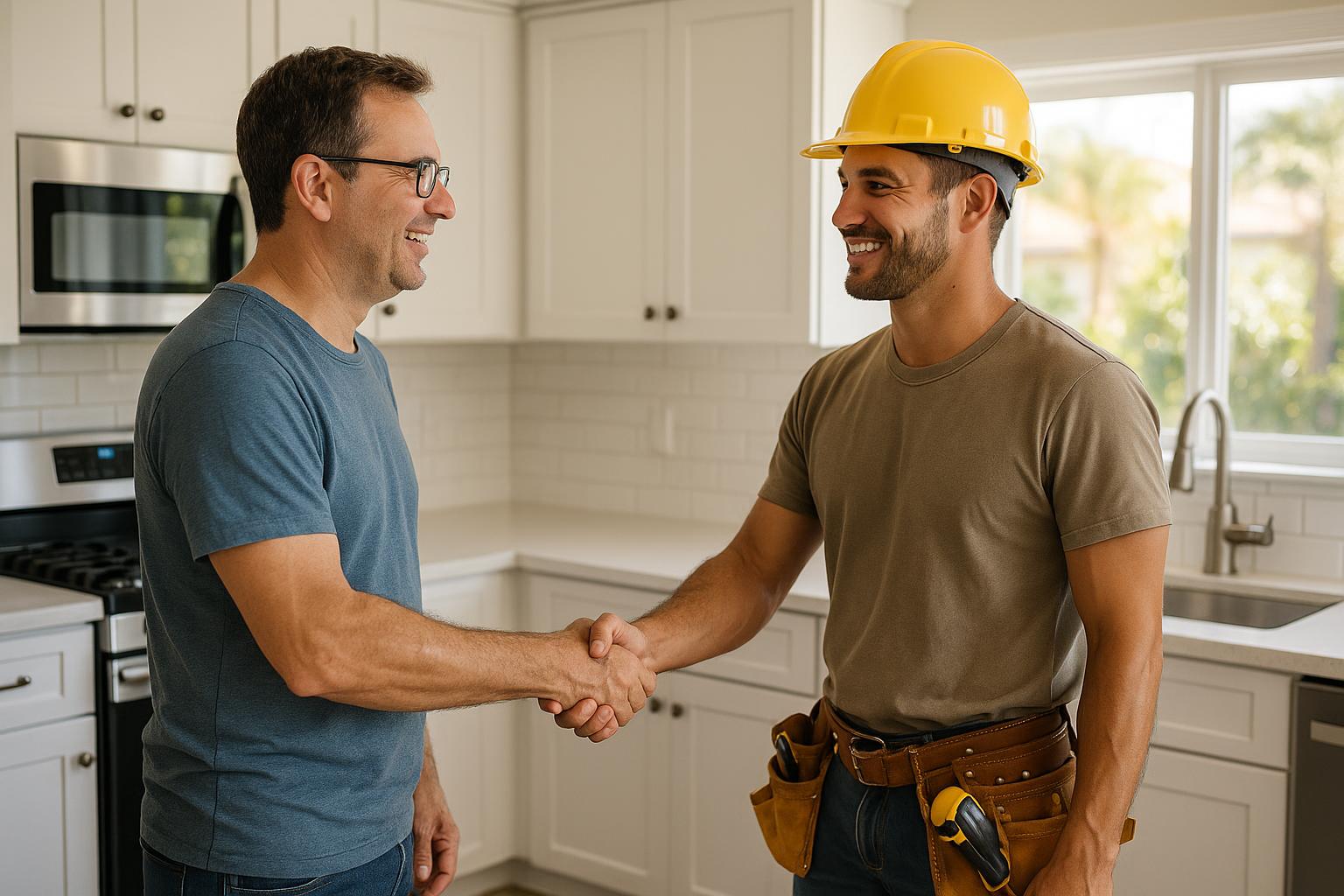
Why Choosing the Right Contractor Matters More Than You Think
A home remodel is one of the biggest investments you'll make outside of buying the house itself. Whether you're updating a dated kitchen, expanding your living space, or renovating a bathroom, the contractor you choose will determine whether the experience is exciting or exhausting. In Miami, where the construction market is competitive and the demand for quality work is high, knowing how to separate the professionals from the pretenders is essential.
Every year, homeowners across South Florida lose thousands of dollars to unlicensed workers, poor communication, and shoddy craftsmanship. The good news? A little due diligence upfront can save you from months of headaches. Here's a step-by-step guide to finding a remodeling contractor you can actually trust.
Step 1: Verify Licensing and Insurance
This is non-negotiable. In Florida, general contractors must hold a state-issued license, and many municipalities—including Miami-Dade County—have additional local requirements. Before you even schedule a consultation, ask for the contractor's license number and verify it through the Florida Department of Business and Professional Regulation (DBPR) website.
You should also confirm that the contractor carries both general liability insurance and workers' compensation coverage. Without these, you could be held financially responsible if a worker is injured on your property or if damage occurs during the project. Don't just take their word for it—request a certificate of insurance directly from their provider.
Step 2: Look at Their Track Record
Experience matters, but the type of experience matters even more. A contractor who specializes in commercial build-outs may not be the best fit for a bathroom renovation in Coral Gables. Look for a company with a proven history in residential remodeling and a portfolio that reflects the kind of work you need done.
Here's what to evaluate:
- Online reviews: Check Google, Yelp, and the Better Business Bureau. Look for patterns in the feedback—consistent praise for communication and craftsmanship is a great sign, while repeated complaints about missed deadlines or surprise costs are red flags.
- Portfolio of completed projects: A reputable contractor should be proud to show off their work. Ask for before-and-after photos or, better yet, addresses of completed projects you can drive by.
- References: Ask for at least three references from recent clients. When you call them, ask specific questions: Did the project stay on budget? How did the contractor handle unexpected issues? Would you hire them again?
Step 3: Get Detailed Written Estimates
Never accept a vague quote scribbled on a napkin. A professional contractor will provide a detailed written estimate that breaks down costs for materials, labor, permits, and any subcontracted work. This document should also include a projected timeline with milestones.
We recommend getting at least three estimates so you can compare not just pricing but also the level of detail each contractor provides. Be cautious of bids that come in dramatically lower than the rest—this often signals that the contractor is cutting corners, using inferior materials, or planning to hit you with change orders later.
What a Good Estimate Should Include
- Scope of work described in clear, specific language
- Itemized material costs with brand names and quantities
- Labor costs broken out by trade
- Permit fees and who is responsible for pulling them
- Payment schedule tied to project milestones
- Estimated start and completion dates
Step 4: Evaluate Communication Style
Remodeling projects in Miami can run anywhere from a few weeks to several months depending on scope. During that time, you'll be in regular contact with your contractor. Pay attention to how they communicate from the very first interaction.
Do they return calls and emails promptly? Do they answer your questions thoroughly, or do they seem impatient? Are they transparent about potential challenges, or do they promise everything will be perfect?
At Beacon Building Contractors, we've found that straightforward communication is the single most important factor in a successful remodel. Homeowners don't need to be shielded from reality—they need a partner who keeps them informed and involved at every stage.
Step 5: Understand the Contract Before You Sign
A solid contract protects both you and the contractor. Before signing anything, make sure the agreement covers the following:
- Complete scope of work with specifications
- Total cost and payment schedule
- Timeline including start date and estimated completion
- Change order process—how modifications to the original plan will be handled and priced
- Warranty information on both labor and materials
- Dispute resolution process
If anything in the contract is unclear, ask for clarification before you sign. A trustworthy contractor will welcome your questions rather than rush you through the paperwork.
Step 6: Watch for Common Red Flags
Even if a contractor checks most of the boxes, certain warning signs should give you pause:
- Demanding full payment upfront: A standard payment schedule ties installments to completed milestones. Never pay more than 10-15% as a deposit.
- No written contract: If they want to work on a handshake, walk away.
- Pressure to start immediately: Reputable contractors in Miami typically have a reasonable backlog. If someone can start tomorrow with no planning phase, that's suspicious.
- Unwillingness to pull permits: Permits exist to protect you. Any contractor who suggests skipping them is putting your safety and your home's resale value at risk.
- No physical business address: A legitimate company should have an established presence, not just a cell phone number.
Why Local Experience Matters in Miami
Miami's building environment presents unique challenges that out-of-area contractors may not fully understand. From hurricane-rated building codes to the effects of salt air and humidity on materials, local expertise makes a real difference in the longevity and quality of your remodel.
A contractor familiar with Miami-Dade County's permitting process will also save you time and frustration. Permit requirements here can be more stringent than in other parts of Florida, and an experienced local team knows how to navigate the system efficiently—whether you're remodeling a mid-century home in Kendall or adding an outdoor living space in Doral.
Making Your Final Decision
After you've done your research, trust your instincts. The right contractor should make you feel confident, informed, and respected. They should be excited about your vision and realistic about what it takes to bring it to life.
A great remodel isn't just about the finished product—it's about the entire experience from first consultation to final walkthrough. When you choose a contractor who values transparency, quality, and communication, you set yourself up for a renovation you'll love for years to come.
If you're planning a remodel in Miami and want to see what working with a team that prioritizes honesty and craftsmanship looks like, Beacon Building Contractors is here to help. Reach out for a free consultation, and let's talk about turning your ideas into reality.